
Born Again: Understanding the New Life Jesus Gives
To be born again means to receive new spiritual life from God through the Holy Spirit. Jesus teaches that every person needs this new birth to enter God's Kingdom. Religious knowledge, good intentions, and moral improvement cannot produce it. Through Jesus Christ, God forgives sinners, renews their hearts, and brings them into a new relationship with him.
This teaching comes from Jesus' conversation with Nicodemus in John 3:1-21. Its meaning reaches beyond a dramatic conversion experience. New birth is connected to God's promises of cleansing and renewal, Christ's resurrection, and the beginning of a life shaped by faith and obedience.
Why Did Jesus Tell Nicodemus He Must Be Born Again?
Nicodemus was a Pharisee and a ruler of the Jews. He possessed substantial religious knowledge and recognized that Jesus' miraculous signs demonstrated God's presence. Yet Jesus responded to his respectful introduction with a statement about his deepest spiritual need.
In John 3:3, Jesus declares:
“Most certainly I tell you, unless one is born anew, he can’t see God’s Kingdom.”
The statement surprised Nicodemus. He asked how an elderly person could return to his mother's womb and be born a second time. His question exposed the difference between ordinary human birth and the spiritual transformation Jesus described.
Nicodemus belonged to Israel's religious leadership. He knew the Scriptures and had attained a respected position. Nevertheless, these privileges could not produce the new life necessary for entrance into God's Kingdom.
Jesus was teaching that spiritual life must come from God himself. This applies equally to someone raised in church and someone encountering Christianity for the first time. Religious familiarity cannot substitute for the Holy Spirit's renewing work.
Does "Born Again" Also Mean "Born From Above"?
The Greek word translated "anew" in John 3:3 is anōthen. It can mean "again" or "from above," a double meaning acknowledged in the official WEBU translation notes.
Nicodemus understood the statement as a second physical birth. Jesus' explanation in John 3:5-8 directs attention toward a different source of life: the Holy Spirit.
Both meanings illuminate the conversation. A person needs a genuinely new beginning, and that beginning must come from above.
This distinction matters because someone can change habits, adopt Christian beliefs, or become more disciplined without necessarily experiencing spiritual regeneration. Such changes may be beneficial, but they cannot create the life Jesus describes.
New birth is God's gracious work of giving spiritual life to someone who needs more than personal reform. The image of birth emphasizes dependence upon the one who gives life.
What Do Water and the Spirit Mean in John 3?
Jesus explains in John 3:5 that entrance into God's Kingdom requires birth through water and the Spirit. The meaning becomes clearer when we consider the Old Testament promises Nicodemus would have known.
God's Promise of Cleansing and a New Heart
In Ezekiel 36:22-27, God promises to cleanse his people, give them a new heart, and place his Spirit within them.
The original prophecy addresses Israel after judgment and exile. It includes restoration to the land and renewal of the covenant people. God's promise of inward cleansing belongs within that larger restoration. Israel's history had demonstrated that outward religious privileges could not remove idolatry or stubbornness.
God promises to replace the heart of stone with a heart of flesh. The heart represents the inner person, including desires, loyalties, and willingness to obey. God also promises to place his Spirit within his people so they will walk in his ways.
The sequence is significant: God cleanses, gives a new heart, and enables obedience through his Spirit.
Jesus' words to Nicodemus closely resemble these promises. His question in John 3:10 about Nicodemus being Israel's teacher suggests that the Old Testament should have prepared him to understand divine renewal.
Ezekiel's prophecy has a wider setting than individual conversion, so its promises should not be reduced to that subject alone. Nevertheless, its language of cleansing and Spirit-given transformation provides important background for Jesus' teaching.
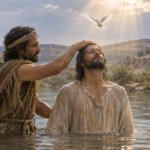
Does Being Born of Water Mean Baptism?
Christians have historically differed over how John 3:5 relates to baptism.
Catholic, Orthodox, and several Protestant traditions understand the passage as closely connected to baptism and God's regenerating grace. Many Baptist and evangelical interpreters emphasize Ezekiel's imagery of cleansing and Spirit-given renewal while recognizing baptism as an important Christian practice.
The connection between baptism and new birth is ancient. Justin Martyr, writing in the second century, describes Christian initiation through faith, repentance, and baptism in his First Apology, chapter 61. He connects baptism with regeneration and Jesus' teaching about new birth.
This historical testimony establishes that early Christians took the baptismal connection seriously. However, it does not settle every later disagreement about how baptism relates to regeneration.
The central teaching remains clear: entrance into God's Kingdom requires the cleansing and new life that God gives through his Spirit.
What Does the Holy Spirit Do in the New Birth?
Jesus compares the Spirit's work to the wind in John 3:8. We can hear the wind and observe its effects, although we cannot command its movements. The Greek word pneuma, used in this comparison, can refer to wind, breath, or spirit.
Jesus uses this familiar image to explain a spiritual reality. God's Spirit works with divine freedom and power. Human beings cannot manufacture regeneration through religious techniques or emotional pressure.
Titus 3:3-7 expands this teaching. Paul recalls humanity's former disobedience and then describes salvation as an act of God's mercy. He speaks of regeneration and renewal through the Holy Spirit, whom God pours out richly through Jesus Christ.
Regeneration refers to the giving of new spiritual life. Sanctification describes the continuing process through which God's grace makes believers more holy. These truths belong together, although they should not be confused. New birth begins the renewed life, while spiritual growth continues as believers learn to follow Christ.
Titus 3:7 also connects salvation with justification by grace and the hope of eternal life. God grants his people a new standing before him and begins transforming their lives.
The believer receives a new identity and begins learning to live according to it. Spiritual maturity develops over time.
How Is Being Born Again Connected to Jesus Christ?
New birth cannot be separated from the saving work of Jesus.
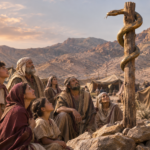
After explaining the Spirit's work, Jesus directs Nicodemus toward his own mission. In John 3:14-18, he compares the lifting up of the Son of Man to the bronze serpent Moses raised in the wilderness, as recorded in Numbers 21:4-9.
The Israelites facing death needed God's appointed provision for deliverance. Jesus uses that event to explain the necessity of believing in the Son whom God has given.
The new birth therefore belongs to the gospel of Christ's death and resurrection. The Spirit gives new life through the saving work of the Son, bringing believers into the life God promises.
Peter makes the resurrection connection explicit in 1 Peter 1:3-5. He blesses God for causing believers to be born again to a living hope through the resurrection of Jesus Christ. Their future inheritance rests upon God's mercy and power rather than the permanence of earthly circumstances.
New birth changes a believer's present relationship with God and establishes hope for the future. Christians have received spiritual life, and they await the full salvation that Christ will reveal.
What Role Does God's Word Play in Spiritual Rebirth?
The New Testament connects new birth with the message of the gospel.
In 1 Peter 1:22-25, Peter describes believers as born again through God's living and enduring word. He identifies that word with the Good News preached to them.
James 1:18 presents a similar truth. God brings believers forth by the word of truth according to his own will. This statement follows a striking contrast. In James 1:14-15, sinful desire leads to sin and death. In James 1:17-18, the good and generous God gives life through his word.
James then calls believers to receive God's implanted word and become doers rather than hearers only in James 1:21-22.
These passages connect three important realities:
- God initiates new birth. Spiritual life begins in his mercy and will.
- The gospel announces Christ. God's Word reveals the Savior in whom people are called to believe.
- The Spirit renews believers. New life leads toward obedience, love, and holiness.
The Word and Spirit are complementary in God's saving work. Scripture presents the gospel as God's life-giving message, while the Holy Spirit accomplishes the inward renewal that sinners cannot produce themselves.
This is why faithful Christian evangelism centers upon explaining Jesus Christ rather than attempting to manufacture a particular emotional reaction.
How Does a Person Become Born Again?
Jesus calls people to believe in him for eternal life in John 3:16-18. Elsewhere, he commands repentance and faith in the gospel, as seen in Mark 1:15.
A person responds by recognizing their sin, turning toward God, and placing their trust in Jesus Christ as Savior and Lord. This response rests upon God's grace, never upon the claim that someone has earned a new beginning.
Christians differ over the precise theological relationship between regeneration, faith, and baptism. However, Jesus does not give Nicodemus an elaborate timetable of conversion. He teaches the necessity of new birth and directs attention toward faith in the Son of God.
Someone seeking Christ should therefore take his promises seriously. Read the gospel, acknowledge the need for forgiveness, and trust the Savior who died and rose again.
A prescribed prayer, a dramatic experience, or a particular feeling cannot automatically produce regeneration. Faith rests upon Christ and his saving work.
How Can You Recognize the Evidence of New Birth?
New birth changes a person's relationship with God and begins to shape how they live. Yet Scripture does not suggest that every Christian will experience conversion with identical emotions or circumstances.
Some people remember a distinct turning point. Others grow up hearing the gospel and gradually recognize their personal faith in Christ. The intensity of a spiritual experience is not the measure of regeneration.
Instead, Scripture identifies developing marks of renewed life.
In 1 Peter 1:22-23, Peter connects new birth with sincere love for fellow believers. James 1:19-27 calls Christians to receive God's Word and practice it. Galatians 5:22-23 describes the Spirit's fruit, including love, patience, kindness, faithfulness, and self-control.
These qualities do not mean Christians become sinless. Genuine believers still struggle, repent, and grow. Nevertheless, God's renewing work should increasingly affect their priorities, relationships, and conduct.
The foundation of Christian assurance is Jesus Christ and his promises. The growing fruit of the Spirit provides meaningful evidence of his work, but believers should not measure salvation solely by comparing their experiences with those of other Christians.
Why Does the New Birth Matter for Christian Life?
Being born again changes the foundation of Christian discipleship. A believer does not obey God to manufacture spiritual life. Obedience becomes the developing expression of life received through his grace.
This truth encourages humility because nobody can claim credit for creating their own spiritual rebirth. It also encourages patience because transformation continues as believers learn to follow Christ.
For churches, it means religious instruction must do more than produce outward conformity. Faithful ministry teaches Scripture, proclaims Christ, practices baptism, nurtures fellowship, and depends upon the Spirit's renewing work.
For someone exploring Christianity, Jesus' teaching gives a clear invitation. Religious background, past failure, and personal limitations do not place God's mercy beyond reach. Christ calls people to trust him and receive the life that only God can give.
To be born again is to receive new spiritual life from above through the Holy Spirit, grounded in Jesus Christ's saving work. This new life produces a growing pattern of faith, love, and obedience. It also gives believers a living hope that reaches beyond death to the resurrection and eternal life God has promised.
Continue Studying in the Commentary
Explore the biblical passages behind this article with the Good Way Library’s full commentary.
Related Articles
Continue exploring this subject through closely connected articles.

No more articles to show. Select “Show fewer articles” to collapse the list.
Partner With The Good Way Library
The Good Way Library is supported entirely by everyday readers like you. If this resource has helped you grow in your understanding of God’s Word and the Christian faith, please consider supporting this work with a one-time or monthly gift. Please also pray for our ministry and help us spread the word by sharing The Good Way Library with your church, friends, and family. Together, we can expand completely free access to faithful biblical teaching and help strengthen shared understanding and unity across the Christian church.