
Is Church Membership Biblical? Belonging to a Local Church
Yes, the New Testament supports a recognizable commitment to a local church, although it never commands Christians to sign a membership form or follow a particular enrollment procedure. Believers gathered in identifiable congregations, received pastoral care, practiced accountability, and shared responsibility for one another. Formal membership can help churches fulfill those biblical purposes, but joining an organization is not the same as receiving salvation or belonging to Christ.
The distinction matters. Someone may attend worship regularly without developing meaningful relationships, while another person may appear on a membership roll yet rarely participate. Scripture calls believers into a shared life shaped by Christ, where fellowship involves responsibility as well as encouragement.
The New Testament Describes Churches That Know Who Belongs
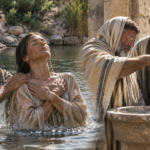
In Acts 2:37-47, Peter proclaims the risen Christ, and about three thousand people receive his message and are baptized. Luke says they are added to the growing community. These believers devote themselves to apostolic teaching, fellowship, breaking bread, and prayer. Their new faith takes visible shape through worship, generosity, and ongoing relationships.
The word added does not prove that Jerusalem maintained a modern membership register. Acts describes neither applications nor written membership covenants. Nevertheless, conversion leads into a recognizable community rather than an entirely private religious life. Baptism stands closely connected with responding to the gospel and identifying with Christ's people. Christian traditions differ, however, about its recipients and sacramental significance.
The New Testament also speaks of the Church as the whole people of God and of particular congregations in identifiable places. Paul writes to the church in Corinth and to churches in Galatia (1 Corinthians 1:2; Galatians 1:2). Belonging to Christ unites believers across the world; participation in a local church gives that unity a practical setting.
Pastors Have Responsibility for an Identifiable Flock
In Acts 20:17-32, Paul summons the elders from Ephesus and charges them to care for the flock entrusted to them. They must teach faithfully, watch their own conduct, and guard the congregation against destructive teachers. His warning concerns particular people under their care rather than anyone who occasionally hears them speak. The elders' duty implies a recognizable pastoral relationship.
Hebrews 13:7 and Hebrews 13:17 likewise call Christians to consider faithful leaders' example and respond to their oversight. Those leaders must give an account to God for their care of souls. For that responsibility to work well, believers should know who is caring for them, and leaders should know whom they are expected to serve. A clear membership process can help establish that understanding, although Scripture does not prescribe its administrative form.
Pastoral oversight is accountable service under Christ, not unrestricted control. Jesus rejects leadership modeled on domineering rulers (Mark 10:42-45), and 1 Peter 5:2-3 warns shepherds not to lord authority over those entrusted to them. A membership covenant cannot excuse coercion, suppress legitimate questions, or require unquestioning allegiance to a pastor.
Church Discipline Assumes a Recognizable Community
One of the clearest arguments comes from 1 Corinthians 5:1-13. Paul confronts a public case of serious sexual immorality and rebukes the congregation for tolerating it. He distinguishes those inside the church from those outside, then directs the gathered believers to address the wrongdoing within their fellowship. That distinction presupposes some understanding of who belongs to the community.
This does not, however, establish that every church must maintain a signed membership list, since Paul's concern is the congregation's holiness and witness. A recognizable boundary makes accountability possible, while the particular procedure can differ across faithful churches. The biblical requirement concerns responsible fellowship; a modern membership roll is one possible way to clarify it.
Jesus describes a process for confronting sin and involving the congregation when necessary in Matthew 18:15-20. The goal includes winning back a brother or sister, while Galatians 6:1-2 calls for gentle restoration and mutual burden-bearing. Discipline should serve truth, repentance, and the protection of others. It must never become a pretext for humiliation, retaliation, or concealing abuse.
Serious threats, criminal conduct, and situations involving coercion can require immediate safeguards and involvement from appropriate civil authorities. The private-conversation steps in Matthew 18 should not be misused to require victims to approach dangerous people alone. Churches must exercise spiritual responsibility without treating their own procedures as substitutes for justice and safety.
Every Believer Has a Place in the Body
Paul uses the human body to describe the Church in 1 Corinthians 12:12-27. The Holy Spirit gives different gifts, while believers depend upon one another and share in each other's joys and sufferings. Paul addresses the Corinthian congregation's pride and division, insisting that those who seem less prominent deserve particular honor. A local church therefore has responsibilities that extend far beyond recording attendance.
Members serve through teaching, encouragement, hospitality, generosity, prayer, and practical care. Others may need to receive more help than they can offer because of illness, disability, grief, or hardship. A person's place in Christ's body does not depend on productivity or public visibility. Churches should make room for both giving and receiving help, rather than measuring belonging by volunteer hours or donations.
Hebrews 10:24-25 calls Christians to gather and encourage one another toward love and good works. The Good Way Discipleship Course lesson on the Church develops these habits through worship, baptism, the Lord's Supper, and mutual service. Such fellowship requires relationships that a membership card cannot create by itself.
Did the Early Church Have Formal Membership Rolls?
An early Christian letter traditionally called 1 Clement, often dated to the late first century, provides evidence of organized congregational life. Chapters 42 and 44 discuss the appointment of ministers and object to the unjust removal of leaders who served faithfully. The letter reflects a community that understood responsibility, recognized leaders, and took disputes about church order seriously. It does not describe a universal application form or the precise recordkeeping practices of every congregation.
Later Christian traditions developed different ways of recognizing who belongs. Catholic, Orthodox, and many historic Protestant churches ordinarily connect belonging to the visible Church with baptism and participation in parish or congregational life. Many Baptist and other congregational churches also employ explicit membership covenants or a process of reception. These approaches differ, but the broader principle of meaningful church belonging is widely shared.
Formal membership is useful when it serves biblical commitments. It can clarify pastoral care, voting responsibilities where appropriate, expectations for teaching, and the processes churches use for accountability. None of these arrangements should become a condition for receiving God's saving grace.
Must Every Christian Formally Join a Church?
The New Testament calls Christians into the fellowship of God's people, yet it does not issue a universal command to complete modern membership paperwork. A person may responsibly visit congregations while examining their doctrine, leadership, and practices. Some also face obstacles such as illness, caregiving duties, remote residence, or earlier experiences of spiritual abuse. Such circumstances require wisdom and compassion, not automatic condemnation.
For someone who can participate regularly, indefinite detachment deserves serious consideration. Worship attendance alone cannot fully replace being known, receiving care, and accepting appropriate responsibilities. At the same time, joining a church should follow thoughtful discernment rather than pressure to make a hasty commitment.
Before joining, consider whether the congregation teaches the gospel faithfully, practices baptism and the Lord's Supper responsibly, and maintains accountable leadership. Ask how it handles misconduct, protects vulnerable people, welcomes questions, and cares for members in difficult seasons. The aim is a trustworthy community under Christ, not an institution demanding unconditional loyalty.
Church Belonging Is a Calling, Not a Salvation Requirement
Church membership does not save anyone. Salvation comes through God's grace by faith in Jesus Christ (Ephesians 2:8-10). A signed document cannot create the spiritual life that Christ gives, nor can it replace love and faithfulness within a congregation. Nevertheless, the New Testament consistently places believers among people who worship together, learn God's Word, serve one another, and accept shared responsibility.
The biblical principle is committed belonging; the precise administrative process is a matter of wise church practice. A healthy congregation gives that belonging a recognizable form while remaining accountable to Christ, its true head. For believers who are able to participate, investing in a faithful local church is a fitting expression of the fellowship into which the gospel calls them.
Continue Studying in the Commentary
Explore the biblical passages behind this article with the Good Way Library’s full commentary.
Related Articles
Continue exploring this subject through closely connected articles.



No more articles to show. Select “Show fewer articles” to collapse the list.
Partner With The Good Way Library
The Good Way Library is supported entirely by everyday readers like you. If this resource has helped you grow in your understanding of God’s Word and the Christian faith, please consider supporting this work with a one-time or monthly gift. Please also pray for our ministry and help us spread the word by sharing The Good Way Library with your church, friends, and family. Together, we can expand completely free access to faithful biblical teaching and help strengthen shared understanding and unity across the Christian church.