
Deuteronomy 34 Commentary: Moses’ Death and Joshua’s Commission
Deuteronomy 34 records Moses’ death, Israel’s mourning, Joshua’s commissioning, and the unmatched prophetic ministry that points beyond Moses.

Deuteronomy 34 records Moses’ death, Israel’s mourning, Joshua’s commissioning, and the unmatched prophetic ministry that points beyond Moses.

Deuteronomy 33 records Moses’ final blessing over Israel, naming the tribes and praising God as their dwelling, help, and salvation.

Deuteronomy 32 explains Moses’ song, Israel’s corruption, God’s justice, mercy, vengeance, and Moses’ final command to climb Mount Nebo.

Deuteronomy 31 explains Moses’ final charge, Joshua’s commission, the public reading of the law, and the witness song.

Deuteronomy 30 calls Israel to return, receive heart renewal, choose life, and trust God’s near and gracious word.

Deuteronomy 29 explains covenant renewal, Israel’s stubborn heart, idolatry’s danger, exile’s warning, and obedience to what God reveals.

Deuteronomy 28 explains covenant blessings, covenant curses, exile warnings, and the serious call to listen to God’s voice.

Deuteronomy 27 explains Israel’s covenant ceremony, written law, altar worship, public Amen, and the curses for covenant-breaking.

Deuteronomy 26 explains firstfruits, third-year tithes, covenant confession, gratitude, mercy, and Israel’s identity as God’s treasured people.

Deuteronomy 25 explains fair judgment, human dignity, family duty, honest trade, and Israel’s command to remember Amalek.

Deuteronomy 24 explains divorce, pledges, wages, justice, and gleaning through covenant mercy rooted in Israel’s redemption from Egypt.

Deuteronomy 23 explains assembly boundaries, camp holiness, escaped servants, vows, interest, and neighborly restraint under God’s covenant rule.

Deuteronomy 22 explains neighbor love, household safety, covenant boundaries, sexual justice, and holiness in Israel’s life before God.

Deuteronomy 21 explains justice for bloodguilt, mercy for captives, inheritance rights, family rebellion, and burial under God’s covenant order.

Deuteronomy 20 explains Israel’s warfare laws, calling God’s people to courage, holiness, restraint, and trust in divine deliverance.

Deuteronomy 19 explains cities of refuge, land boundaries, witnesses, and justice that protects innocent life and restrains false accusation.

Deuteronomy 18 explains priestly provision, forbids occult practices, promises a prophet like Moses, and teaches Israel how to reject false prophets.

Deuteronomy 17 orders sacrifice, witnesses, courts, and kingship so Israel learns that justice and rule must stay under God’s law.

Deuteronomy 16 joins Israel’s feasts, generous worship, righteous courts, and pure altar devotion into one life of covenant joy before God.

Deuteronomy 15 commands debt release, openhanded care for the poor, generous servant release, and holy firstborn worship under God’s redeeming covenant mercy.

Deuteronomy 14 calls Israel to holiness in mourning, food, and tithing, teaching reverence, gratitude, and care for the Levite and vulnerable.

Deuteronomy 13 warns Israel against false prophets, secret enticers, and apostate cities, calling for total covenant loyalty to God alone.
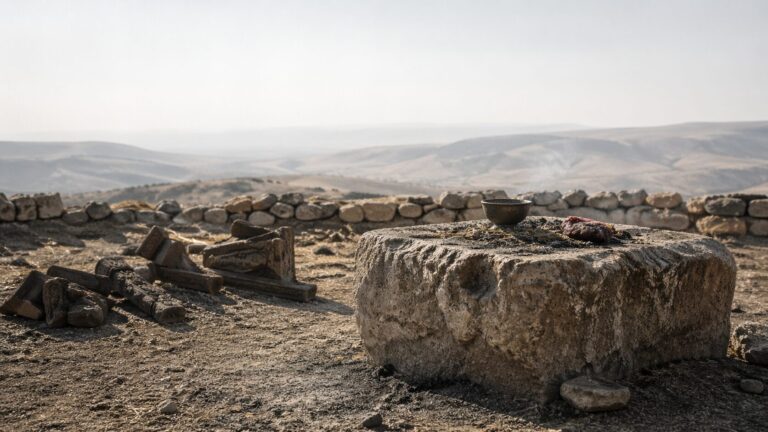
Deuteronomy 12 commands Israel to destroy pagan worship, gather at God’s chosen place, honor the blood, and reject imitation of the nations.

Deuteronomy 11 calls Israel to love God, remember his mighty acts, and choose blessing through covenant obedience in the promised land.

Deuteronomy 10 renews the covenant after Israel’s sin and calls God’s people to fear him, love him, and circumcise the heart.

Deuteronomy 9 explains why Israel could not boast in conquest and how Moses’ intercession preserved a rebellious people under God’s covenant mercy.

Deuteronomy 8 teaches Israel to remember God in hunger and abundance, warning that prosperity can breed forgetfulness unless covenant grace remains central.

Deuteronomy 7 explains Israel’s holy separation, God’s covenant love, promised blessing in the land, and the urgent need to destroy idolatry.

Deuteronomy 6 calls Israel to love God wholly, teach his words at home, reject idols, and remember redemption when prosperity tempts them to forget.

Deuteronomy 5 restates the covenant commandments, recalls Horeb, and urges Israel to obey with a heart that fears God and walks in his ways.
Deuteronomy