
Ezekiel 48 Commentary: Inheritance and God’s Presence
Ezekiel 48 completes the restored land vision with tribal portions, holy allotments, city gates, and God’s abiding presence.
Ezekiel 48 completes the restored land vision with tribal portions, holy allotments, city gates, and God’s abiding presence.
Ezekiel 47 shows temple waters bringing life, healed seas, fruitful trees, restored borders, and shared inheritance for strangers.
Ezekiel 46 explains temple worship rhythms, the prince’s offerings, inheritance justice, priestly kitchens, and ordered sacrifice.
Ezekiel 45 orders holy land, honest measures, just leadership, and appointed offerings for restored worship among God’s people.
Ezekiel 44 explains the shut east gate, temple holiness, Levites, Zadokite priests, worship boundaries, and priestly duties.
Ezekiel 43 shows God’s glory returning, Israel’s shame exposed, the temple made most holy, and the altar consecrated.
Ezekiel 42 explains the temple rooms, priestly holiness, sacred garments, and the boundary between holy and common space.
Ezekiel 41 measures the temple interior, side rooms, carved walls, doors, and table before the Lord.
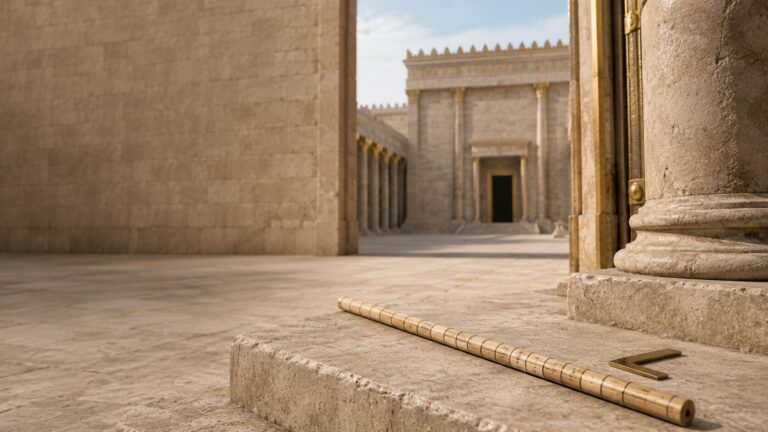
Ezekiel 40 begins the measured temple vision, showing ordered gates, courts, priestly rooms, sacrifice tables, and restored worship.
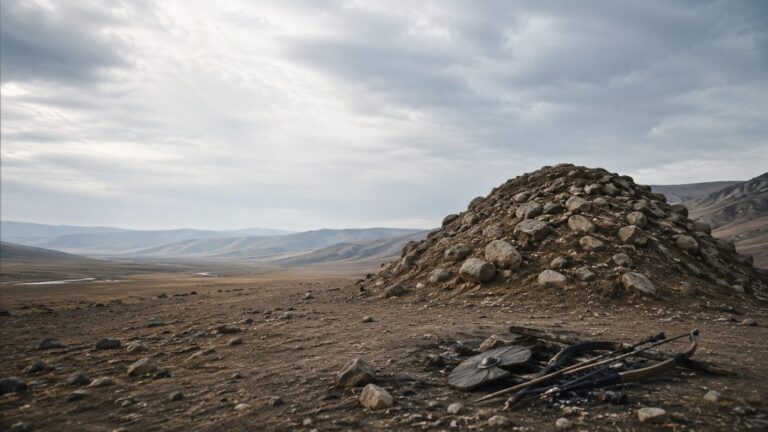
Ezekiel 39 completes Gog’s defeat, cleanses the land, vindicates God’s name, and promises restored mercy for Israel.

Ezekiel 38 announces Gog’s invasion against secure Israel, God’s sovereign summons, worldwide shaking, judgment, and holy self-vindication.

Ezekiel 37 reveals God raising dry bones, restoring Israel, joining Judah and Joseph, and promising one shepherd-king forever.

Ezekiel 36 promises restored land, gathered people, cleansing, a new heart, God’s Spirit, and renewed witness among the nations.

Ezekiel 35 announces judgment on Mount Seir for perpetual hostility, bloodshed, envy, and insults against Israel’s inheritance.

Ezekiel 34 rebukes Israel’s failed shepherds, promises God’s rescue, and announces one Davidic shepherd with a covenant of peace.
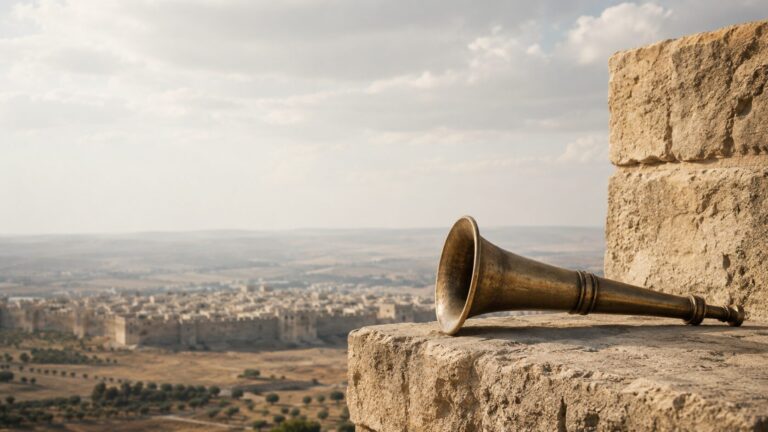
Ezekiel 33 renews Ezekiel’s watchman calling, announces Jerusalem’s fall, and exposes hearers who listen without obedience.

Ezekiel 32 laments Pharaoh and Egypt, announcing darkness, Babylon’s sword, Sheol, shame, and Egypt’s place among fallen nations.

Ezekiel 31 warns Pharaoh through Assyria’s fall, showing Egypt that greatness, beauty, and height cannot survive proud rebellion.
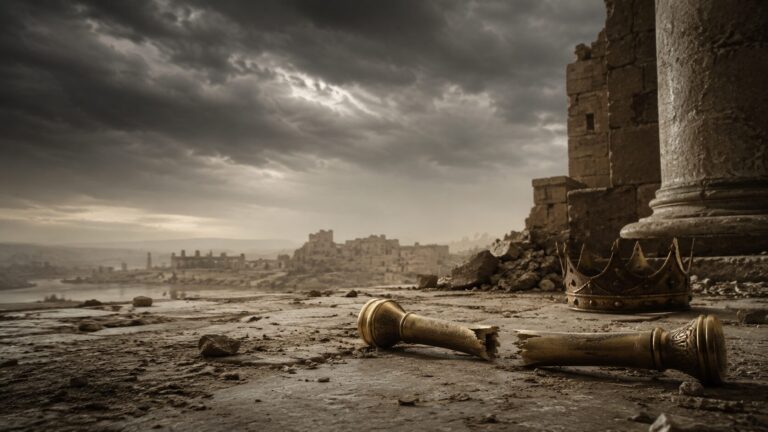
Ezekiel 30 announces Egypt’s day of judgment, the fall of its allies, and Pharaoh’s broken arms before Babylon.

Ezekiel 29 announces judgment on Pharaoh and Egypt, humbles false confidence, and promises a future horn for Israel.

Ezekiel 28 judges Tyre’s proud ruler, laments his corrupted beauty, condemns Sidon, and promises Israel secure restoration.

Ezekiel 27 laments Tyre’s beauty, trade, wealth, and sudden ruin as God judges proud commercial power.
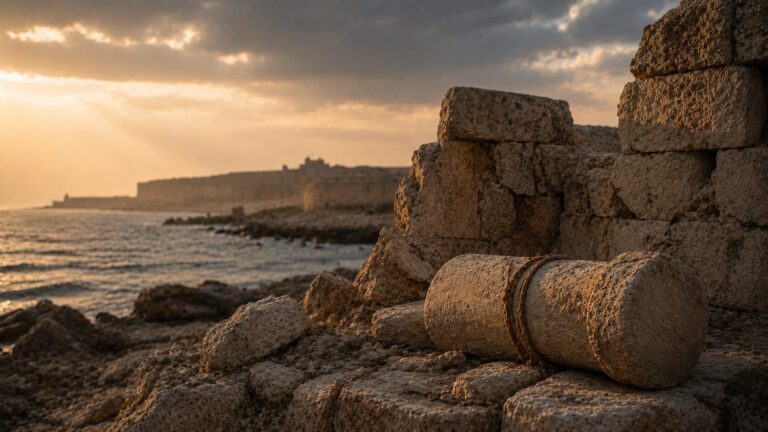
Ezekiel 26 announces judgment on Tyre for rejoicing over Jerusalem’s fall, with nations, siege, lament, and final desolation.
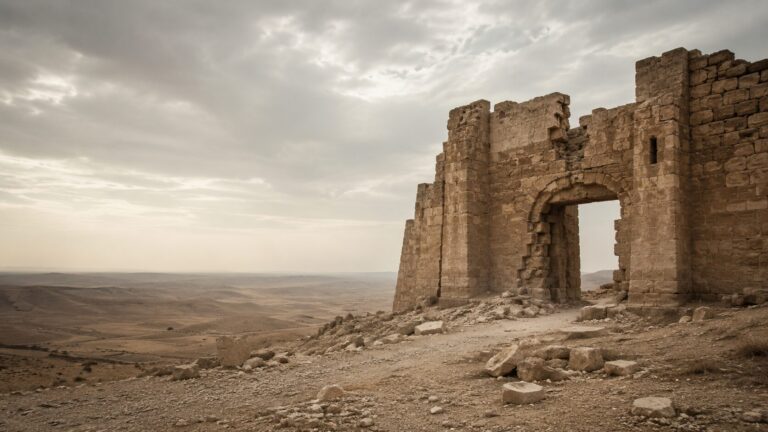
Ezekiel 25 confronts Ammon, Moab, Edom, and Philistia for contempt, revenge, and hostility against God’s judged people.
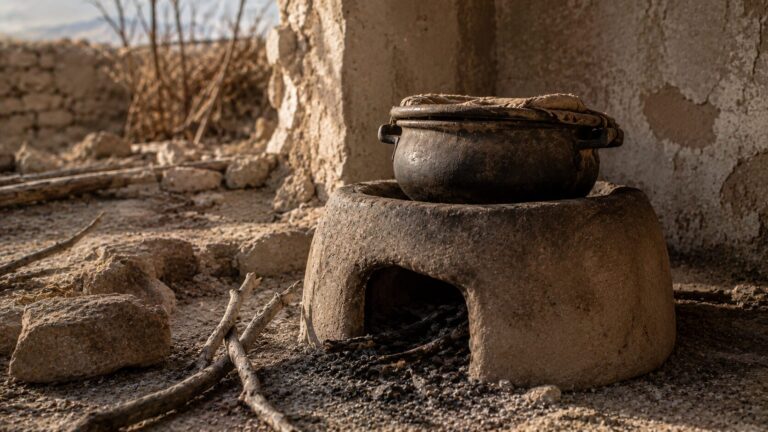
Ezekiel 24 marks Jerusalem’s siege day through the boiling cauldron, Ezekiel’s silent grief, and God’s unavoidable judgment on the city.
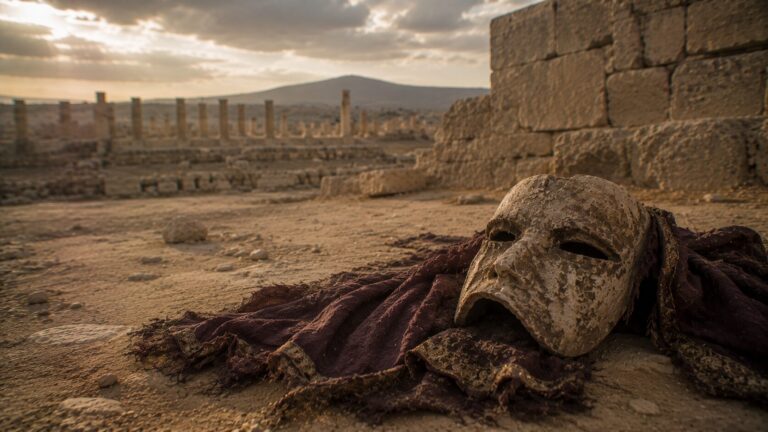
Ezekiel 23 exposes Samaria and Jerusalem as two unfaithful sisters, showing idolatry, political lust, bloodshed, and judgment.
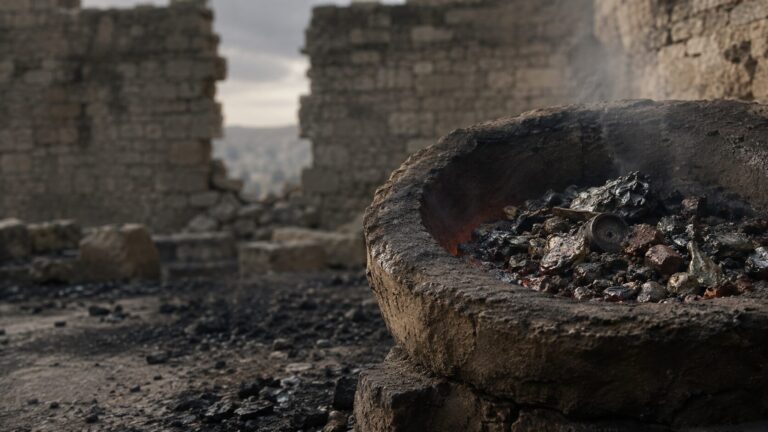
Ezekiel 22 indicts Jerusalem’s bloodshed, idolatry, corrupt leaders, social oppression, and lack of anyone to stand in the gap.
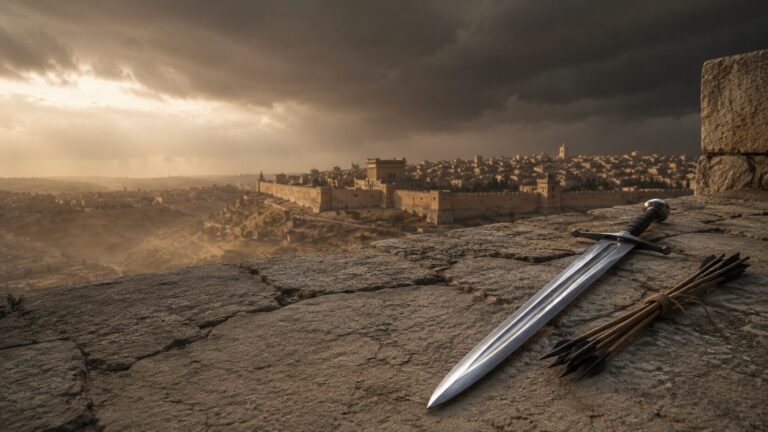
Ezekiel 21 announces God’s drawn sword against Jerusalem, Babylon’s road divination, and the overturned crown awaiting its rightful ruler.

Ezekiel 20 traces Israel’s repeated rebellion, God’s name-sake mercy, refused inquiry, covenant judgment, restoration, and parable of fire.

Ezekiel 19 explains Israel’s princes through lion and vine laments, showing violent rule, exile, broken monarchy, and covenant grief.
Ezekiel