
Greek Esther 10 Commentary: Mordecai’s Dream Explained
Greek Esther 10 interprets Mordecai’s dream, explains the two lots, celebrates Purim, and closes with a notice about the Greek letter’s transmission.
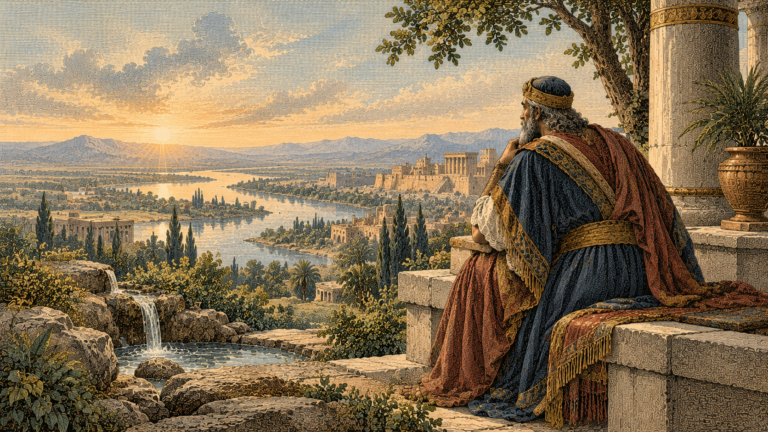
Greek Esther 10 interprets Mordecai’s dream, explains the two lots, celebrates Purim, and closes with a notice about the Greek letter’s transmission.
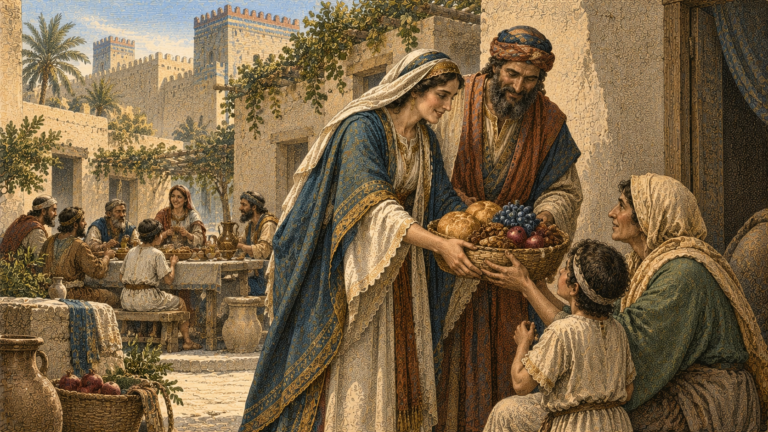
Greek Esther 9 recounts the defeat of the Jews’ enemies and explains Purim through communal remembrance, joyful celebration, and generosity toward the poor.
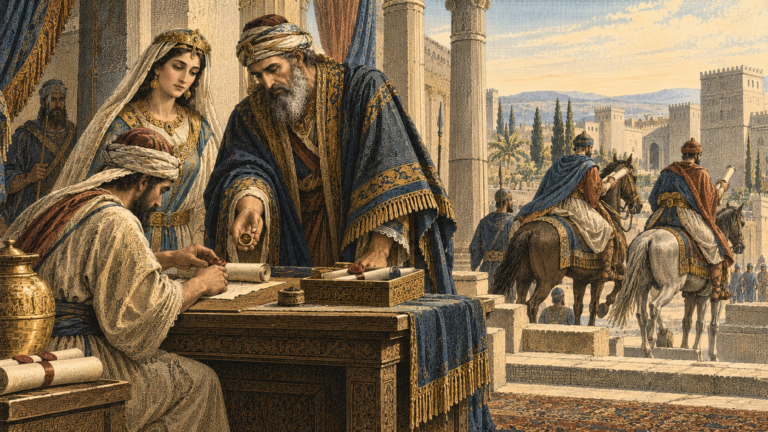
Greek Esther 8 recounts Esther’s renewed appeal, Mordecai’s rise, the expanded decree of deliverance, and the Jewish people’s movement from fear toward celebration.
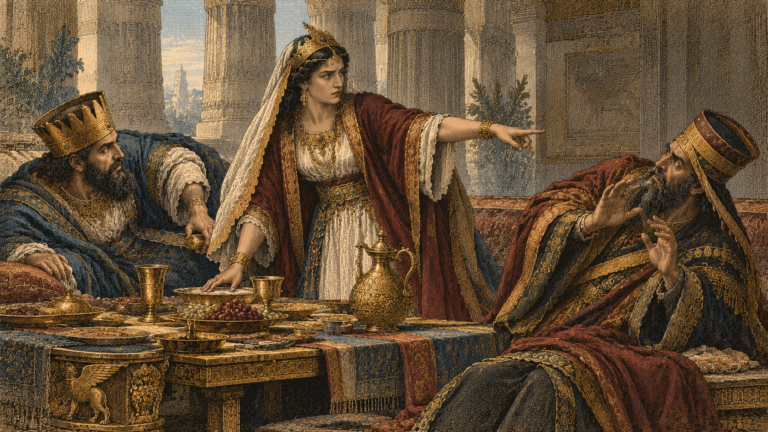
Explore Greek Esther 7 as Esther exposes Haman’s murderous decree, the king condemns his adviser, and the threatened Jewish people approach deliverance.
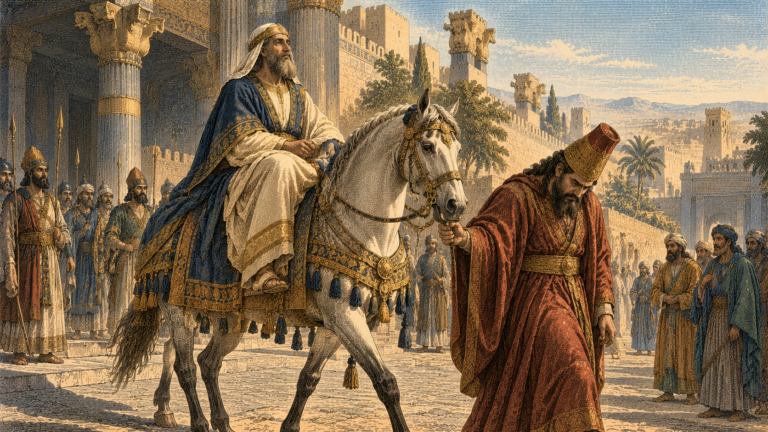
Explore Greek Esther 6, where God directs a sleepless king toward Mordecai’s forgotten service, overturning Haman’s ambitions and revealing providence through unexpected royal decisions.
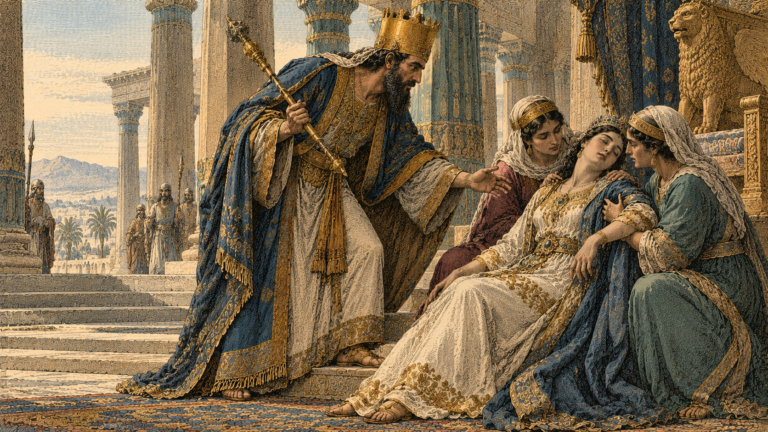
Greek Esther 5 follows Esther’s fearful appearance before the king, God’s intervention, her banquet invitations, and Haman’s growing pride as he plots Mordecai’s death.
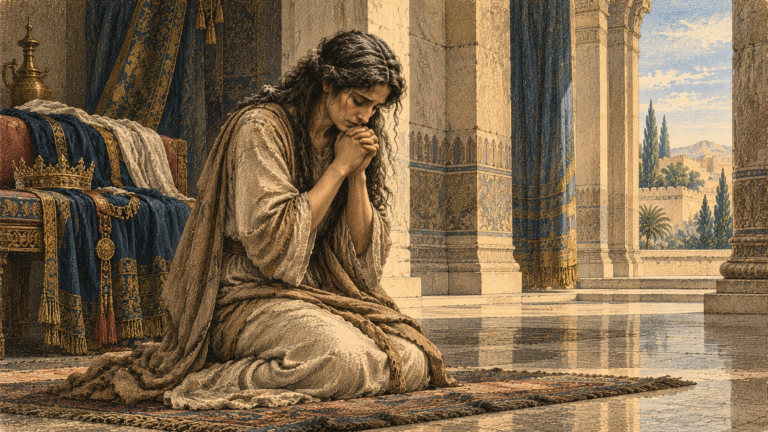
Explore Greek Esther 4 as Mordecai and Esther pray amid a royal death decree, confess Israel’s sins, and prepare for courageous intervention.
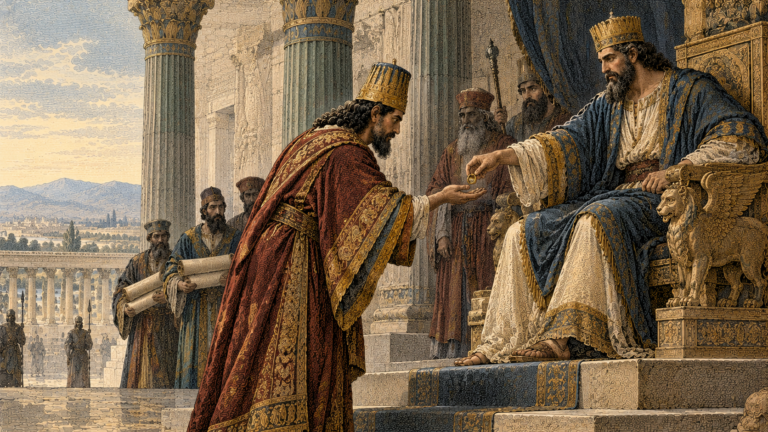
Explore Greek Esther 3 as Haman turns prejudice into imperial policy, and an expanded royal decree disguises the destruction of the Jews as peace.
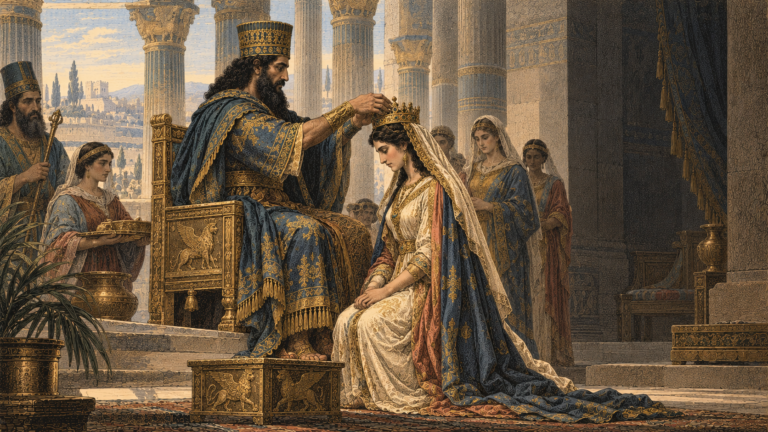
Greek Esther 2 recounts Esther’s rise to the Persian throne, her continuing faithfulness to God, and Mordecai’s discovery of a royal conspiracy.
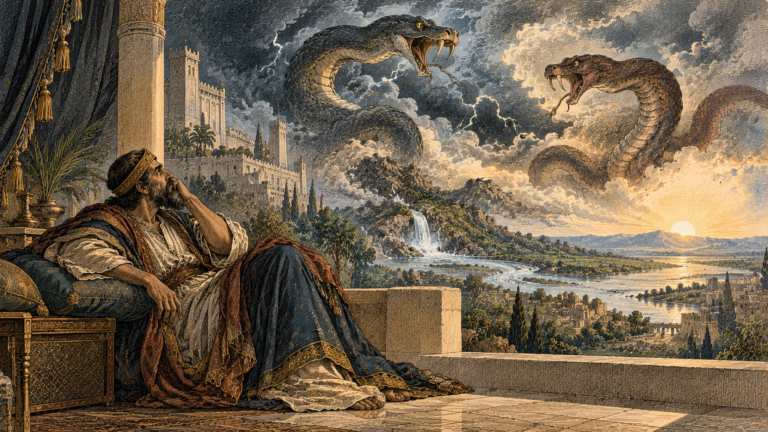
Greek Esther 1 opens with Mordecai’s prophetic dream and a palace conspiracy, then recounts Ahasuerus’s royal feast and Queen Vashti’s refusal.
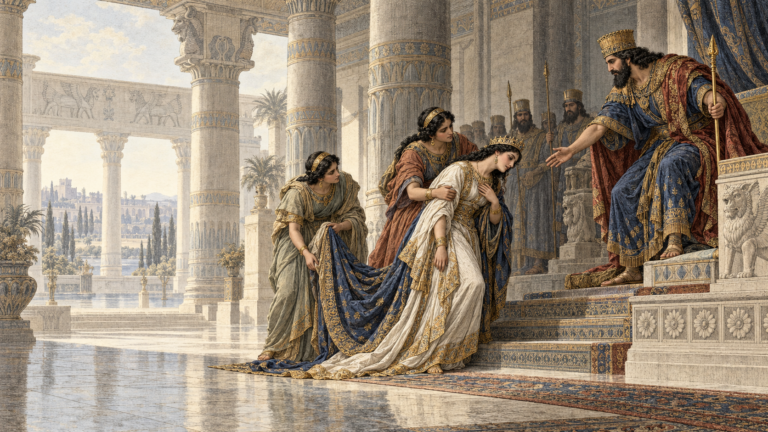
Greek Esther expands the familiar account with Mordecai’s dream, prayers, royal decrees, and an explicit declaration of God’s providential care for his people.
Greek Esther