
Isaiah 66 Commentary: True Worship and Final Glory
Isaiah 66 closes with true worship, Zion’s birth, nations gathered, new creation, and final judgment against rebels.

Isaiah 66 closes with true worship, Zion’s birth, nations gathered, new creation, and final judgment against rebels.

Isaiah 65 explains God’s answer to rebellion, the remnant’s inheritance, servant contrasts, and the promise of new heavens and earth.

Isaiah 64 pleads for God to come down, confessing sin, ruined worship, and dependence on the Father and Potter.

Isaiah 63 shows the divine warrior judging enemies, remembering mercy, and leading Israel into confession and intercession.

Isaiah 62 explains Zion’s new name, watchmen’s prayer, sworn provision, and the holy people redeemed by God’s coming salvation.

Isaiah 61 announces the anointed messenger, good news for the broken, restored Zion, priestly service, and everlasting joy.

Isaiah 60 promises Zion’s light, gathered children, nations’ wealth, everlasting glory, righteous inheritance, and God’s final salvation for his people.

Isaiah 59 explains sin’s separation, confessed guilt, failed justice, divine intervention, the Redeemer, and God’s enduring covenant word.

Isaiah 58 exposes false fasting, calls for justice and mercy, and promises light, guidance, repair, and Sabbath joy.

Isaiah 57 exposes idolatry and false refuge, then promises peace, healing, and revived hearts for the humble and contrite.

Isaiah 56 explains justice, Sabbath faithfulness, welcome for foreigners and eunuchs, and God’s rebuke of blind, greedy leaders.

Isaiah 55 invites the thirsty to receive free mercy, seek the Lord, and trust his word that accomplishes salvation.

Isaiah 54 promises restored Zion, covenant peace, taught children, secure righteousness, and victory over every accusing tongue.

Isaiah 53 explains the suffering servant, substitutionary atonement, silent obedience, death, vindication, and intercession for transgressors with gospel clarity.

Isaiah 52 announces Zion’s redemption, God’s reign, a holy departure, and the exalted servant who cleanses many nations.

Isaiah 51 calls God’s people to listen, remember Abraham and Sarah, trust everlasting salvation, and await Zion’s comfort.

Isaiah 50 explains Israel’s sin, God’s power to redeem, the obedient Servant’s suffering, and the call to trust in darkness.

Isaiah 49 reveals the Servant’s mission, Zion’s remembered children, and God’s salvation reaching to the ends of the earth.

Isaiah 48 confronts stubborn Israel, exposes idols, promises redemption from Babylon, and calls God’s servant Jacob to joyful departure.

Isaiah 47 explains Babylon’s humiliation, proud self-confidence, occult dependence, sudden judgment, and the Lord’s saving vengeance.

Isaiah 46 contrasts powerless idols carried into exile with God who carries Israel and brings salvation near by his counsel.

Isaiah 45 explains Cyrus, God’s sovereign rule over nations, the folly of idols, and salvation for all the earth.
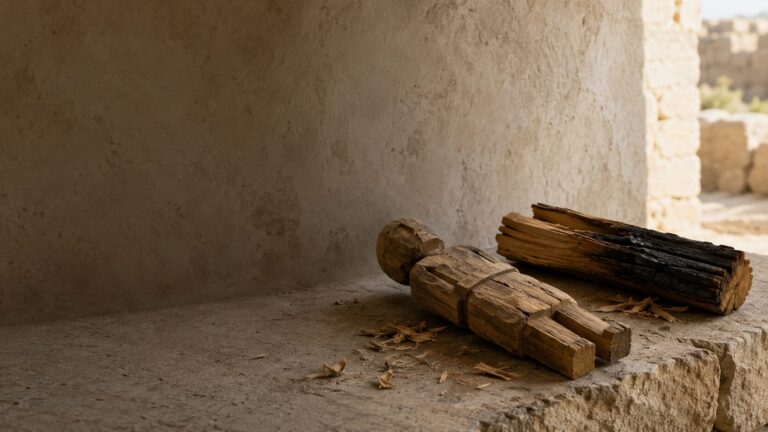
Isaiah 44 explains God’s chosen servant, the Spirit’s blessing, idol-making folly, full redemption, and Cyrus’s role in restoration.

Isaiah 43 declares God’s redeeming love, Israel’s witness, the new exodus, and forgiveness given for God’s own sake.
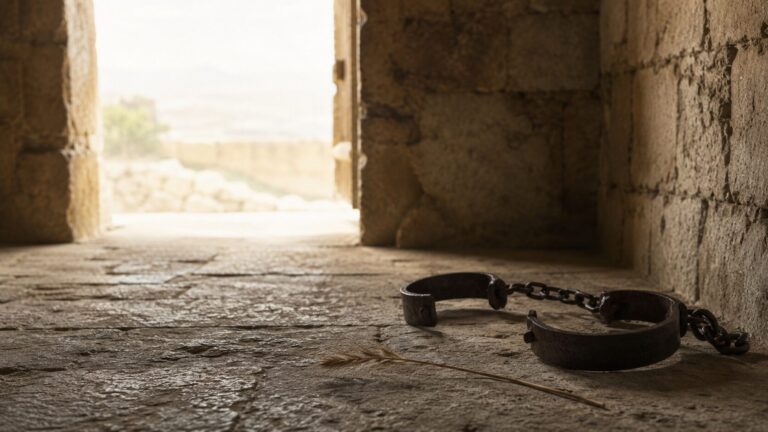
Isaiah 42 reveals God’s chosen Servant, justice for the nations, a new song, and judgment on blind covenant people.

Isaiah 41 explains God’s courtroom challenge, Israel’s comfort, the helplessness of idols, and the Lord’s promised help.

Isaiah 40 announces comfort for Jerusalem, the coming glory of God, and renewed strength for those who wait on him.

Isaiah 39 explains Hezekiah’s display to Babylon, Isaiah’s warning, and the exile judgment that will carry Judah’s treasures away.

Isaiah 38 explains Hezekiah’s sickness, prayer, healing sign, added years, and song of gratitude after deliverance from death.

Isaiah 37 follows Hezekiah’s prayer, God’s answer through Isaiah, and Assyria’s defeat by the Lord’s defending power in Jerusalem.
Isaiah