
Psalms 150 Commentary: Everything Praise God
Psalms 150 closes the Psalter by calling every breathing creature to praise God for his power and greatness.

Psalms 150 closes the Psalter by calling every breathing creature to praise God for his power and greatness.

Psalms 149 calls God’s saints to new praise, humble joy, and confidence in God’s written judgment over the nations.

Psalms 148 summons heaven, earth, rulers, generations, and Israel to praise God whose name alone is exalted.

Psalms 147 praises God for rebuilding Jerusalem, healing the broken, ruling creation, feeding creatures, and giving his word to Israel.

Psalms 146 calls God’s people to lifelong praise, refusing princes and trusting the Creator who helps the helpless.

Psalms 145 praises God’s greatness, mercy, kingdom, provision, nearness, preservation, and everlasting worthiness to receive all praise.

Psalms 144 shows David blessing God, seeking rescue from deceitful enemies, and praying for a blessed people under God.

Psalms 143 records David’s desperate prayer for mercy, deliverance, morning guidance, revival, and protection from enemies.

Psalms 142 teaches overwhelmed believers to pour out complaint, seek refuge in God, and wait for thankful deliverance.

Psalms 141 follows David’s urgent prayer for guarded speech, a pure heart, righteous correction, refuge, and deliverance from snares.

Psalms 140 shows David praying for deliverance from violent men, poisonous speech, hidden traps, and wicked plans.

Psalms 139 teaches that God searches David fully, knows every way, forms life in the womb, and leads the faithful.

Psalms 138 shows David giving wholehearted thanks, praising God’s word, trusting help in trouble, and hoping in enduring mercy.

Psalms 134 calls God’s servants to night praise and sends pilgrims away with blessing from Zion’s Creator.

Psalms 133 celebrates brotherly unity as good, pleasant, priestly, refreshing, and connected to God’s blessing of life forever.

Psalms 137 laments exile in Babylon, remembers Jerusalem, condemns Edom, and prays for justice against Babylon’s violence.

Psalms 136 calls God’s people to thank him for creation, exodus, conquest, daily provision, and enduring loving kindness.

Psalms 135 calls God’s servants to praise him for creation, election, redemption, judgment, compassion, and victory over idols.

Psalms 132 remembers David’s vow, God’s oath, Zion’s election, and the promised crown of the anointed king.

Psalms 131 teaches David’s humble trust, a quieted soul before God, and Israel’s lasting hope in the Lord.

Psalms 130 teaches prayer from deep guilt, hope in God’s word, reverent forgiveness, and abundant redemption for Israel.

Psalms 129 teaches Israel to remember long affliction, confess God’s righteous rescue, and pray against those who hate Zion.

Psalms 128 blesses those who fear the Lord, showing fruitful households, faithful work, Jerusalem’s good, and peace for Israel.

Psalms 127 teaches that houses, cities, work, rest, children, and security depend on God’s faithful blessing.

Psalms 126 remembers God’s restoration of Zion, prays for renewed blessing, and promises joyful harvest after tearful sowing.
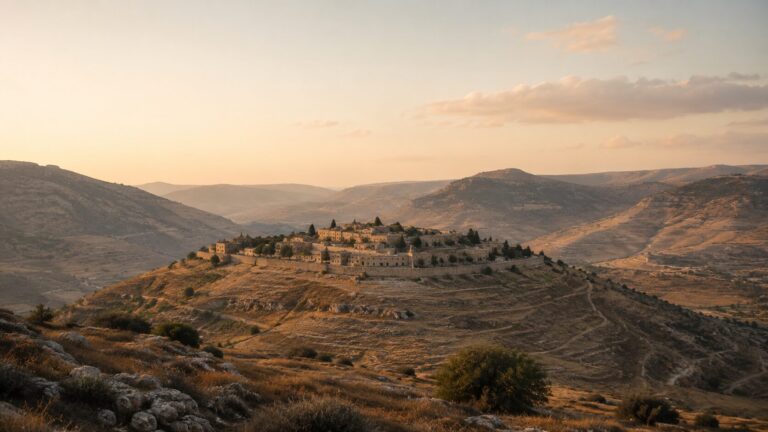
Psalms 125 teaches that those who trust God stand secure, while wicked rule ends and peace rests on Israel.

Psalms 124 teaches God’s people to confess that their rescue, escape, and help come from the Maker of heaven and earth.

Psalms 123 teaches God’s people to lift their eyes to heaven, wait for mercy, and endure contempt with faith.

Psalms 122 celebrates Jerusalem, gathered worship, David’s throne, and prayer for peace among God’s people.

Psalms 121 teaches that Israel’s Creator keeps his people day and night, guarding their life, travel, and future.
Psalms