
Why Jesus Taught in Parables: The Purpose Behind His Stories
Jesus spoke in parables to reveal the kingdom of God, confront the condition of his hearers, and fulfill Scripture. These memorable stories invited people to recognize God's reign in Jesus. They also concealed their deeper meaning from those who persistently resisted his message. When the disciples asked why he taught this way, Jesus answered directly in Matthew 13:10-17, Mark 4:10-12, and Luke 8:9-10. Understanding his answer changes how we read every parable.
A parable is a comparison or story that uses familiar experiences to communicate a deeper truth. Jesus spoke of farmers, debts, weddings, families, and lost possessions. The scenes were recognizable, but their implications could challenge the audience's expectations about God, sin, mercy, and judgment.
Parables Revealed a Kingdom People Did Not Expect
Jesus announced that God's kingdom had drawn near (Mark 1:14-15). Yet his ministry did not resemble an immediate political takeover. He taught, healed, forgave sinners, and gathered disciples while many people remained unbelieving. The parables explained how God's reign could already be at work while its final victory was still to come.
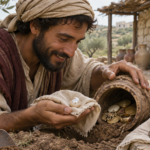
In Mark 4:26-29, seed grows while the farmer sleeps and rises, though he cannot explain its growth. The kingdom advances through God's power beyond human control. The mustard seed begins small but becomes a large plant (Mark 4:30-32). Matthew's treasure and pearl likewise portray the kingdom as worth surrendering everything to gain (Matthew 13:44-46). Each picture teaches a different aspect of the same reign.
Jesus called these truths the mysteries of the kingdom (Matthew 13:11). In biblical usage, a mystery is something God makes known, not a puzzle that only clever people can solve. The kingdom's arrival through Jesus, its surprising beginnings, and its future completion required divine revelation.
Why Did Jesus Say Some People Would Not Understand?
The difficult part of Jesus' explanation is that parables also conceal. Matthew 13:13 says he speaks in parables because some hear without understanding. Mark 4:11-12 connects this concealment directly to Isaiah's language of judgment: those outside hear in parables and see without perceiving. The same teaching reveals truth to receptive hearers and leaves hardened hearers without its meaning.
The immediate setting matters. In Matthew 12:22-32, opponents attributed Jesus' liberating work to demonic power. Their rejection was a serious response to evidence already before them. Jesus' parables confront such resistance rather than treating every puzzled listener as an enemy.
The Warning From Isaiah 6
When Isaiah encountered God's holiness, the Lord commissioned him to speak to a people who would hear but fail to understand (Isaiah 6:8-10). The prophet's faithful proclamation would encounter established resistance and become part of God's righteous judgment. Isaiah also heard about devastation and a remaining stump, indicating that judgment would not erase God's purposes (Isaiah 6:11-13).
Jesus applies this prophetic pattern to his own ministry (Matthew 13:14-15). His opponents could witness mighty works and hear his words while refusing their meaning. Matthew emphasizes that they had closed their eyes. Mark's wording preserves the sobering reality that God's judgment may confirm persistent rejecters in their blindness (Mark 4:12). This passage addresses the response to Jesus, not an entire people or every person who initially struggles to understand him.
John 12:37-43 makes the connection especially clear. Despite Jesus' many signs, some continued in unbelief, and John cites Isaiah 6:10 to explain their hardening. The passage also notes rulers who believed but feared public confession. Scripture takes both divine judgment and human responses seriously. Good Way Library's study of Pharaoh's hardened heart examines that larger biblical theme in another setting.
The Sower Shows That Hearing Is More Than Listening
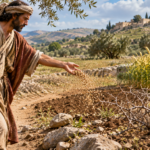
Jesus' first major parable in this discourse explains the varied results of hearing God's word (Matthew 13:3-9; Matthew 13:18-23). The farmer scatters the same seed, yet four soils produce different outcomes. Jesus identifies the seed with the word of the kingdom, or the word of God (Matthew 13:19; Mark 4:14; Luke 8:11).
The roadside represents hearers from whom the evil one snatches the message. Rocky ground describes those who respond quickly but fall away under pressure. Thorny ground pictures people whose worries and riches choke their response. Good soil represents those who receive the word, hold it fast, and bear fruit with perseverance (Luke 8:12-15).
The point goes beyond understanding a clever illustration. Hearing Jesus rightly means receiving his word in faith and allowing it to bear lasting fruit. His call to listen also challenges people who enjoy religious teaching without responding to its demands.
The Parables Both Hid Truth and Promised Its Disclosure
Mark places a teaching about a lamp immediately after Jesus' explanation of the sower. A lamp belongs on a stand, and what is hidden will eventually come to light (Mark 4:21-23). The placement matters: the kingdom may be partially veiled, but Jesus' message has a purpose of revelation. Its truth will not remain permanently concealed.
He then warns listeners to pay attention to what they hear (Mark 4:24-25). Receptive hearing leads to greater understanding, while neglect costs the hearer even the understanding already received. Luke makes the practical command unmistakable: be careful how you hear (Luke 8:18).
This also explains why Jesus invested in the disciples. Mark 4:10 says the twelve and others around him asked about the parables. They did not understand everything at first. Jesus corrected and instructed them, then explained his teaching privately (Mark 4:13; Mark 4:33-34). Their privilege was a gift of grace, and their continuing questions showed the posture of learners who stayed near their teacher.
Jesus Fulfilled the Old Testament Pattern of Teaching in Parables
Long before Jesus' ministry, Nathan confronted David through a story about a rich man stealing a poor man's lamb (2 Samuel 12:1-7). The story drew David into judging an injustice before Nathan exposed his own sin. This illustrates how a familiar scene can reach the conscience in a way a direct accusation might not.
Matthew 13:34-35 also connects Jesus' parables with Psalm 78:2. In that psalm, Asaph opens with a parable and recounts Israel's history so later generations will remember God's works (Psalms 78:1-8). Matthew sees Jesus revealing truths long hidden in God's purposes. The connection joins memorable instruction, prophetic fulfillment, and the unveiling of God's kingdom.
Centuries later, Gregory the Great reflected on Jesus' explanation of the sower in Homilies on the Gospels, Homily 15. He taught that Christ's explanation guides believers as they interpret figures left unexplained, and warned that enthusiasm without endurance resembles seed growing on rocky ground. His attention to interpretation and perseverance follows the concerns Jesus himself raised.
How Should Christians Read Jesus' Parables?
Start with the setting, identify the main comparison, and ask what response Jesus seeks. The parable of the sower concerns reception of the word; the weeds and wheat explain the kingdom's mixed present condition and future judgment (Matthew 13:24-30; Matthew 13:36-43). The treasure and pearl emphasize the kingdom's surpassing value. These distinct purposes should guide interpretation.
When Jesus assigns meanings to particular features, as in the sower and weeds parables, those details matter. In other stories, inventing a hidden meaning for every object can distract from the central message. Read the parable alongside Jesus' explanation and the Gospel's wider teaching, rather than treating it as a secret code.
The question is also personal: what kind of hearer am I becoming? Jesus calls listeners to receive his word with humility, endure trials, resist competing desires, and bear fruit. In Matthew 13:51-52, he likens disciples taught about the kingdom to householders bringing out new and old treasures. For a practical approach to reading and obeying Scripture, Good Way Library's discipleship lesson on knowing Christ through his Word offers a useful next step.
Jesus' parables are gracious invitations that carry a solemn warning. They announce a kingdom already breaking into the world through its King, expose the danger of resisting God's voice, and promise a harvest still to come. Those who hear Christ and trust him discover that these ordinary stories open onto the extraordinary work of God.
Continue Studying in the Commentary
Explore the biblical passages behind this article with the Good Way Library’s full commentary.
Related Articles
Continue exploring this subject through closely connected articles.




No more articles to show. Select “Show fewer articles” to collapse the list.
Partner With The Good Way Library
The Good Way Library is supported entirely by everyday readers like you. If this resource has helped you grow in your understanding of God’s Word and the Christian faith, please consider supporting this work with a one-time or monthly gift. Please also pray for our ministry and help us spread the word by sharing The Good Way Library with your church, friends, and family. Together, we can expand completely free access to faithful biblical teaching and help strengthen shared understanding and unity across the Christian church.