
Exodus 10 Commentary: Locusts, Darkness, and Hardness
Exodus 10 brings locusts and darkness, exposes Pharaoh’s failed compromises, and shows God’s purpose in judgment and remembrance.

Exodus 10 brings locusts and darkness, exposes Pharaoh’s failed compromises, and shows God’s purpose in judgment and remembrance.

Exodus 9 records pestilence, boils, and hail as God judges Egypt, spares Israel, and exposes Pharaoh’s stubborn heart.
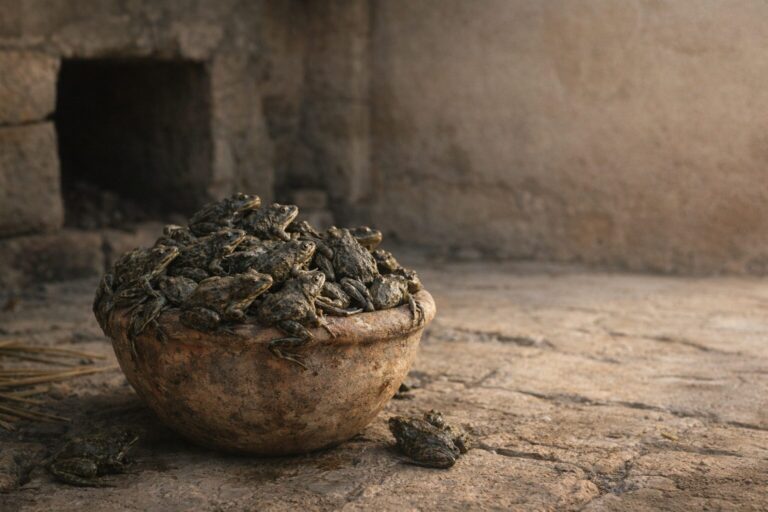
Exodus 8 records frogs, lice, and flies, Pharaoh’s repeated delays, and God’s clear distinction between Egypt and his people in Goshen.
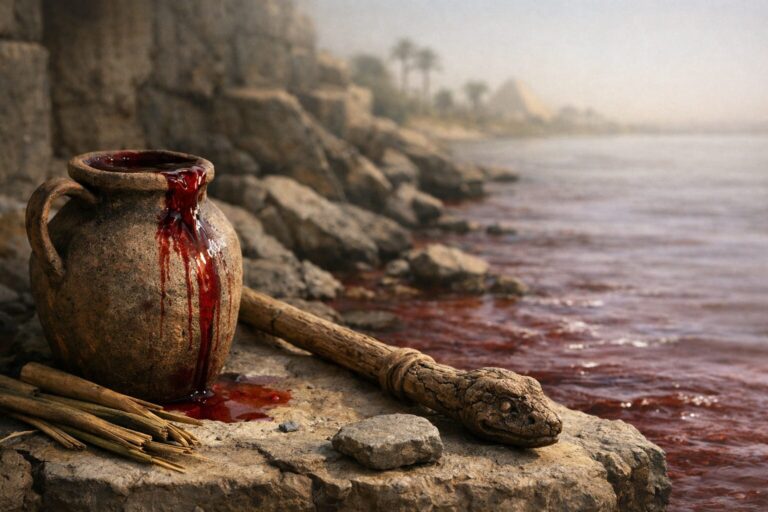
Exodus 7 begins the contest with Pharaoh as God sends signs, hardens the king’s resistance, and turns the Nile to blood in judgment.

Exodus tells how God redeems Israel, reveals his name, gives his covenant, and lives among his people through the tabernacle.
Exodus 6 renews God’s covenant promise as Moses and Aaron are commissioned to confront Pharaoh and deliver Israel.
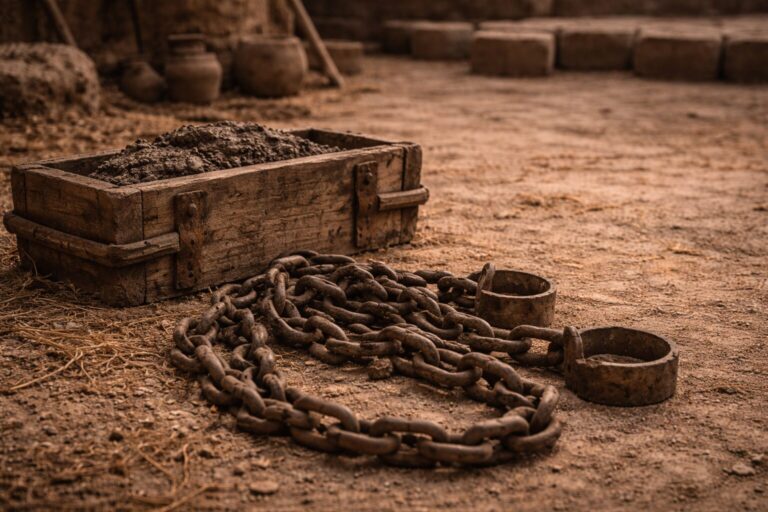
Exodus 5 shows Pharaoh rejecting God’s command, increasing Israel’s labor, and Moses bringing his complaint back to the Lord.
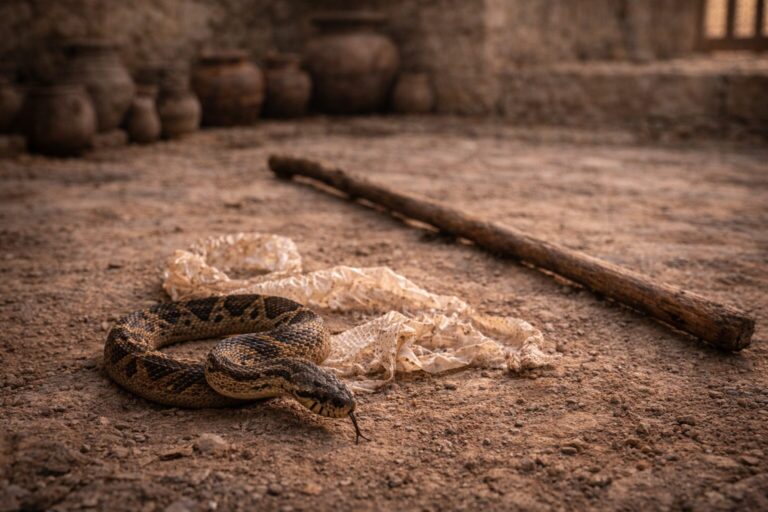
Exodus 4 shows God confirming Moses with signs, appointing Aaron, and confronting covenant neglect on the way to Egypt.

Exodus 3 introduces Moses at Horeb, God’s call from the burning bush, and the covenant name revealed for deliverance.

Exodus 2 traces Moses’ rescue from the river, his flight to Midian, and God’s covenant attention to Israel’s cries.
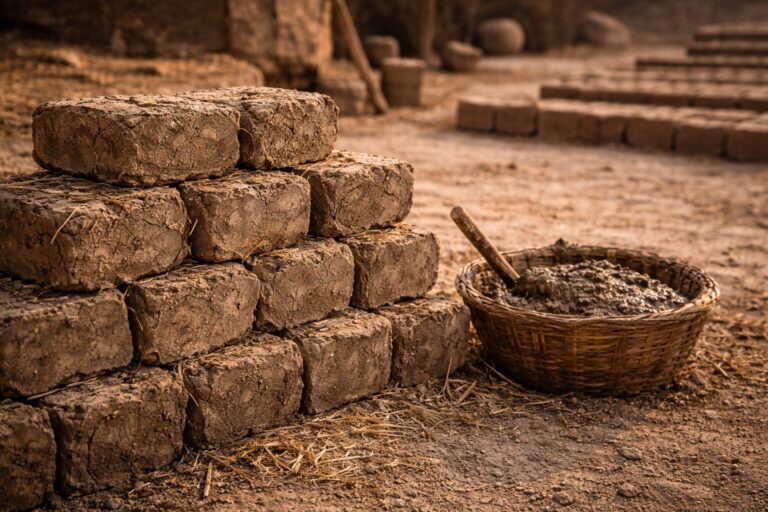
Exodus 1 introduces Pharaoh’s oppression, Israel’s growth, the midwives’ fear of God, and a new decree against sons.
Exodus